Today, however, the situation is beginning to change. More and more workers from the Philippines, Indonesia, Nepal, India, and Central Asian countries are appearing in Polish farms and production facilities. At the same time, the share of workers from Ukraine in certain sectors is gradually declining or at least no longer growing at the same pace as before.
This does not mean a complete departure from Eastern European workers. It does, however, indicate that the Polish seasonal labour market is entering a period of transformation whose effects may remain visible for years.
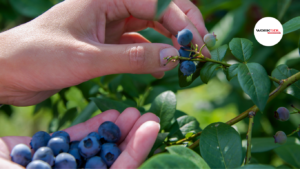
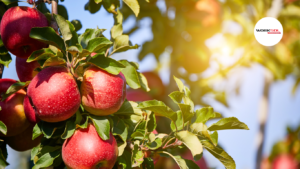
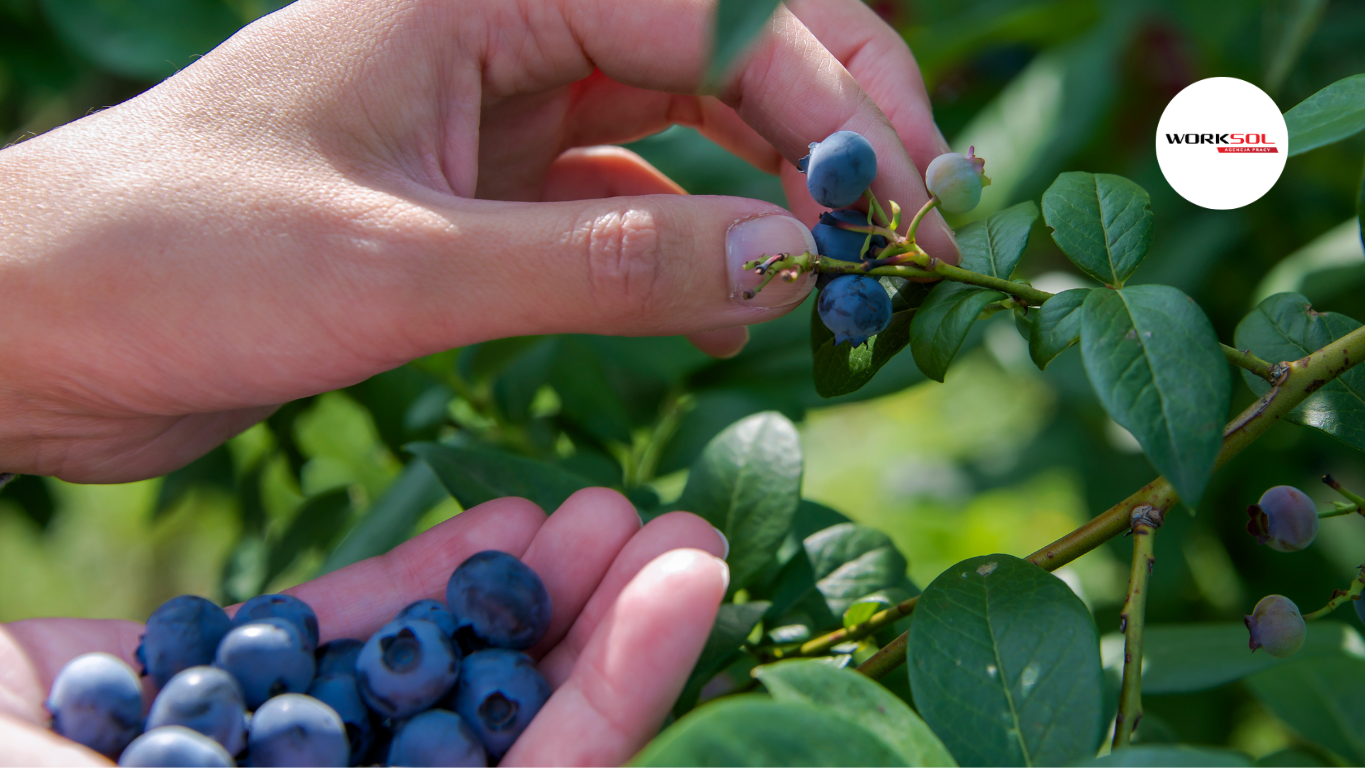
Poland is one of Europe’s largest producers of fruit – especially apples, raspberries, blueberries, and sour cherries. Many of these crops require intensive manual labour, particularly during harvest periods.
Even before the COVID-19 pandemic, the orchard sector warned that maintaining current production levels without foreign workers would become extremely difficult. At the same time, demographic changes and declining interest among Polish workers in seasonal agricultural jobs continued to deepen the problem.
Harvest work is physically demanding, seasonal, and often performed under difficult weather conditions. For many Polish workers, more stable jobs in logistics, warehousing, retail, or manufacturing became significantly more attractive.
As a result, agriculture became increasingly dependent on labour migration.
For many years, Ukrainian citizens represented the primary group of seasonal workers in Polish agriculture. Three factors played the decisive role:
Statistics regarding work permits and employer declarations for foreign workers consistently showed the dominance of Ukrainian citizens in sectors such as agriculture, orcharding, and food processing.
For many farms, the model was predictable and repeatable – the same workers returned to Poland season after season, often working for the same employers for several consecutive years.
This provided the sector with a degree of stability.
The turning point came during the COVID-19 pandemic and the closure of borders in 2020.
In spring and summer, many fruit producers warned that restrictions on international movement could seriously disrupt harvests. There were growing fears that part of the crops would remain uncollected due to labour shortages.
The Polish government introduced special measures allowing seasonal workers to enter the country despite sanitary restrictions. Quarantine procedures were also organised for foreign workers arriving to work in agriculture.
The very fact that the availability of seasonal workers became a nationwide issue demonstrated the extent to which Polish agriculture depended on foreign labour.
At the same time, the pandemic became the first major warning signal for the industry. Many employers realised the risks associated with relying almost entirely on a single migration source.
Another turning point came after Russia’s invasion of Ukraine in 2022.
Although millions of Ukrainian citizens arrived in Poland, the structure of migration began to change. Many war refugees found employment in large cities, services, retail, or light manufacturing rather than in seasonal agricultural work.
At the same time, some Ukrainian workers who had previously returned regularly for seasonal jobs began choosing Western European countries or more stable forms of employment in Poland.
Wage expectations also changed. Salaries offered for basic seasonal jobs in Poland are increasingly losing competitiveness for Ukrainian workers, many of whom already have experience within the European labour market and access to better-paid opportunities.
In practice, this means that Ukrainian workers increasingly treat seasonal agricultural employment as a transitional stage rather than a long-term model of migration.
At the same time, the number of Asian workers present on the Polish labour market has been growing steadily.
This applies particularly to citizens of:
Work permit statistics in Poland have shown a dynamic increase in the share of citizens from Asian countries in recent years. This trend is most visible in manufacturing, logistics, and industrial production, but it is increasingly extending into the agri-food sector as well.
This does not yet mean that Asian workers are replacing Ukrainians on a mass scale during harvest seasons. In many regions, Eastern Europe remains the dominant source of seasonal labour.
However, the gradual diversification of recruitment destinations is becoming increasingly visible.
There are several reasons.
First, wages offered in Poland remain attractive for many workers from Asia compared to local economic conditions in their home countries. This applies particularly to workers from countries with lower average income levels.
Second, some Asian workers are perceived by employers as being more interested in longer stays and stable employment.
This is particularly important for food processing facilities, which often need workers not only during several weeks of harvest season, but throughout much of the year – for sorting, packaging, and production work.
Third, recruitment agencies and employers actively expanded recruitment operations in Asia following the experiences of the pandemic and the war in Ukraine. For many companies, this became a strategy for reducing risks associated with dependence on a single labour market.
This is where an important difference emerges between workers from Eastern Europe and migrants arriving from more distant destinations.
For Ukrainian or Belarusian citizens, seasonal work was often a natural migration model – a relatively short trip abroad, quick earnings, and a return home.
Migration from Asia operates differently. For many workers, travelling to Europe involves much higher organisational and financial costs. As a result, many candidates prefer more stable employment that increases their chances of obtaining longer-term residence opportunities and income stability.
This is why Asian workers more frequently find employment in manufacturing plants, warehouses, and food processing facilities rather than exclusively in short-term harvesting work.
This does not mean, however, that the seasonal sector will not increasingly rely on Asian workers. On the contrary, there are many indications that their share will continue to grow, especially if labour shortages deepen further.
This issue is particularly important for the food processing industry.
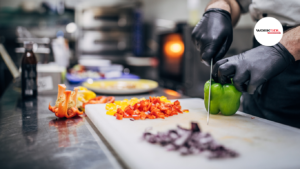
Fruit and vegetable processing plants operate within a model where harvest season is only one part of the broader production cycle. Companies also require workers outside peak harvest periods – for warehousing, packaging, production line operations, and logistics.
From the perspective of employers, a more stable workforce is therefore becoming increasingly valuable compared to purely short-term seasonal labour.
This is one of the reasons why some companies are beginning to explore more distant migration destinations.
All signs suggest that it will.
Rural Poland is ageing, while the number of people willing to perform physically demanding agricultural work continues to decline. At the same time, orchard production and food processing still require large numbers of workers.
Automation is progressing in some areas, but many harvesting tasks remain difficult to mechanise fully. This applies especially to soft fruit and crops requiring careful manual handling.
This means that the industry will most likely become increasingly dependent on foreign labour.
The question is therefore no longer whether Polish orcharding and food processing need foreign workers. Increasingly, the real issue is which countries future workers will come from and whether Poland will remain competitive in attracting them compared to other European states.
The changes visible in orcharding and food processing reflect a broader transformation taking place within the Polish labour market.
The model based almost entirely on workers from Ukraine is gradually becoming insufficient. Poland is beginning to resemble Western European countries that have long relied on diversified labour migration from multiple regions of the world.
For the agri-food sector, this may require significant organisational and cultural adaptation.
At the same time, the experiences of the COVID-19 pandemic and the changes following 2022 demonstrated one thing very clearly: without foreign workers, maintaining the current scale of production in Polish orcharding and food processing would now be extremely difficult.