Retno comes from Indonesia. She moved to Europe a few years ago and for a long time her life was “in between”—between the Czech Republic and Indonesia. It wasn’t classic emigration with a clearly defined goal, but rather living at the intersection of two worlds.
The turning point came with the pandemic. Returning to Indonesia for family reasons coincided with border closures and halted procedures.
“I was mad at myself for coming back, but at the same time I knew I didn’t really have a choice,” she says.
Instead of waiting, she started looking for real opportunities. Poland didn’t appear as an exotic plan but as a concrete chance: a return to Europe and professional stability. Even before she arrived, she began preparing.
During the pandemic, she enrolled in an online Polish language course organized by the Polish Embassy in Jakarta. She studied for several months.
“When I landed in Poland, my Polish was very broken, but I already knew something. That makes a huge difference,” she emphasizes.
Her previous experience in the Czech Republic meant that Poland wasn’t a cultural shock. But one thing did surprise her—and in a very positive way.
“Poles really appreciate the effort. Even if my language isn’t perfect, they see that I’m trying,” she recalls.
This experience became one of the foundations of her current work. Today, Retno supports Indonesian workers coming to Poland. Her role isn’t formal “onboarding”—it’s genuinely accompanying them through the adaptation process.
“I know who they are. These are people who came here to fight for their families. If they make mistakes, it’s not because they’re bad employees—it’s because they don’t know something,” she says. “Hardly anyone I know came here to work badly. They just need to be shown how to do it.”
Her approach—very close to modern HR—is based on empathy but also on clear rules.
Retno’s help starts with the most basic things. Weather and winter are the first shock.
“Shoes, jacket, gloves, hat. You have to explain exactly how to dress. Just giving them work clothes isn’t enough,” she says. “The climate in Indonesia is incomparably warmer than in Poland, so I make sure that anyone coming here won’t be surprised by the Polish winter.”
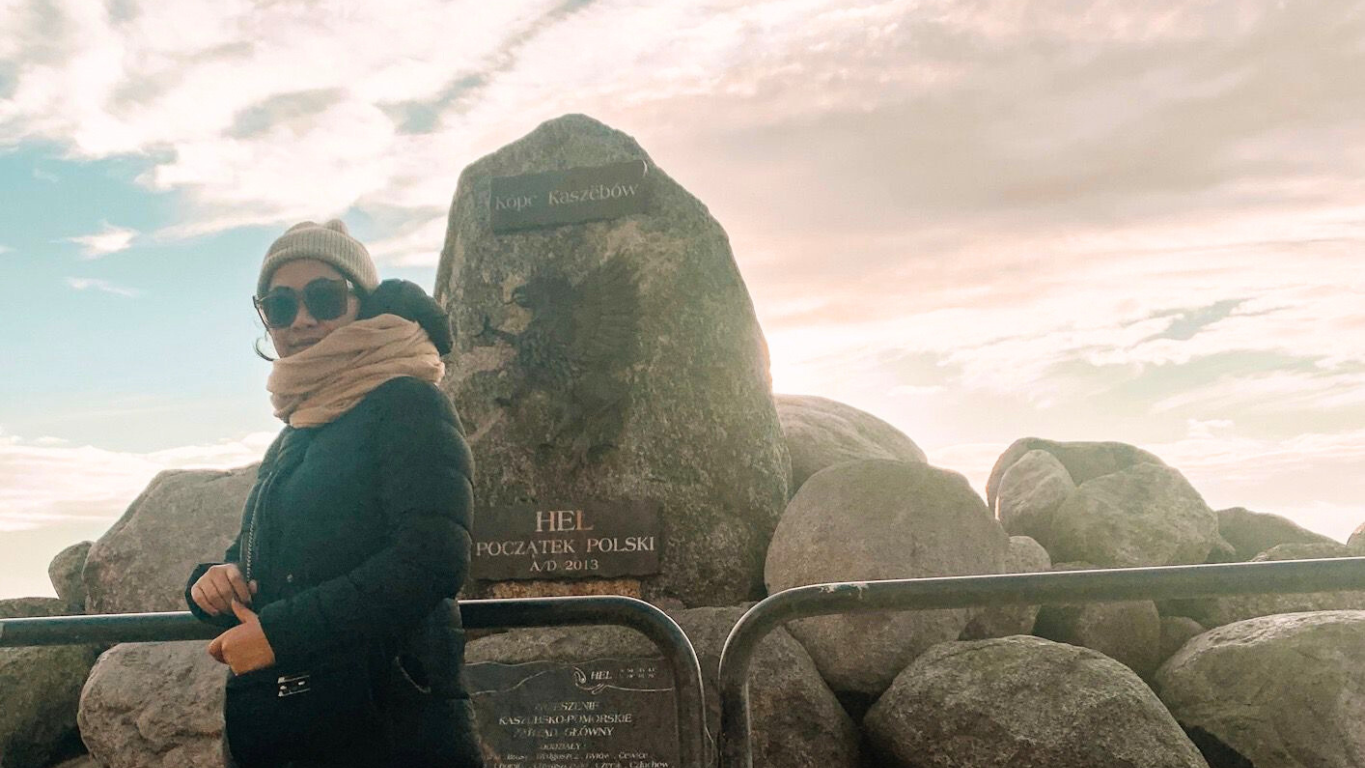
When we talk near Kępno, snowy clouds hang low, rooftops are white, and we’re in the middle of what they call a “winter attack.” It’s freezing, the wind cuts through you, and the ground is slippery. I can only imagine what it must be like to land in Wrocław, Poznań, or Warsaw in February—whereas in Jakarta, temperatures rarely drop below 22°C. We already call that “mid-summer.” I remember returning in October from the Mediterranean, scraping my car windows at the airport. But I got in my car and went home to warm clothes waiting in the closet. Migrants only have what they brought in their suitcase.
Next come the everyday things: public transport, topping up your phone, using multiple apps.
“In Indonesia, you often have one app for everything. Here, everything works separately. It can be really frustrating,” she explains.
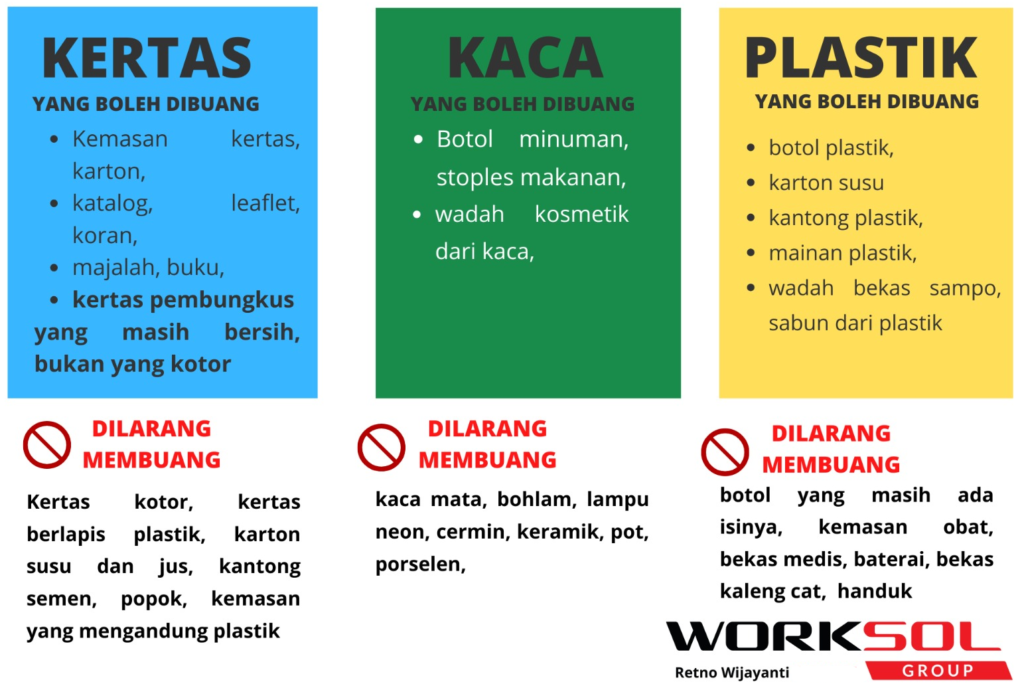
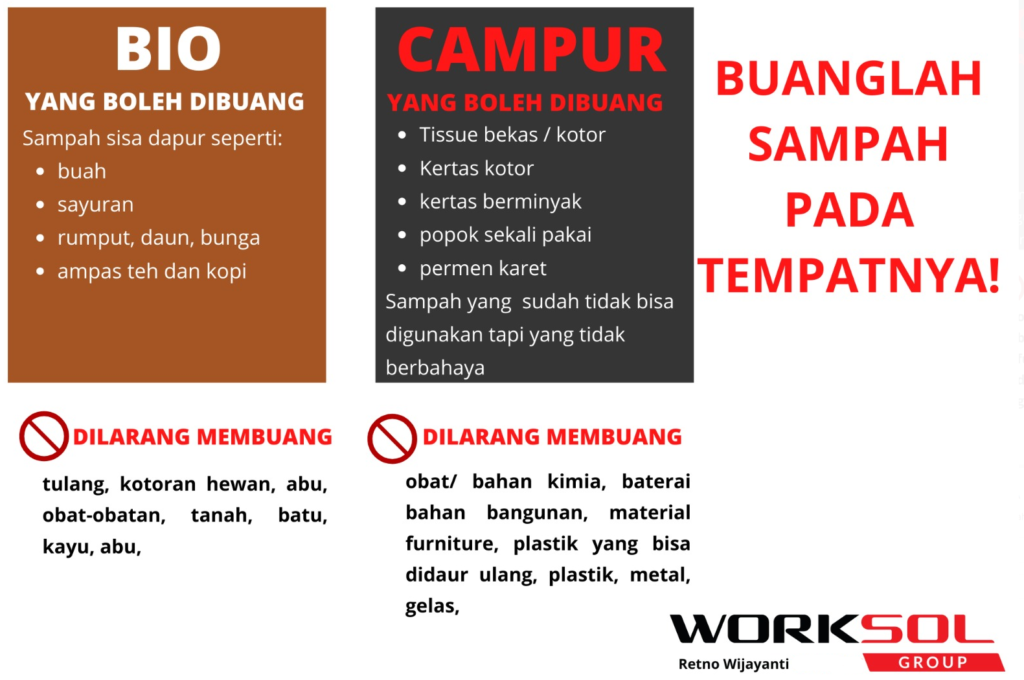
One of the most frequent problems turns out to be… waste segregation. In Indonesia, it’s not obvious, but in Poland, mistakes can result in fines for the whole housing community. So Retno created her own catalogs and guides—simple, visual tutorials showing bin colors, rules for sorting, and consequences of not following them.
“If you don’t explain it beforehand, people learn the hard way. And I’d rather they learn without stress,” she says.
Retno also points out less obvious cultural differences. In Indonesia, hierarchy matters—a lot. Age, gender, and seniority are important. So teams are usually led by the oldest man, and that’s what migrants expect.
“But here, the team leader can be a younger person, even a young woman. For many, that’s hard to accept if no one explains it,” she clarifies.
There are also small but meaningful details: a dry bathroom instead of a wet one, ubiquitous slippers in Poland (rare in Indonesia due to the climate), crossing streets only in designated places. Things that sound like anecdotes but affect comfort and a sense of safety.
A conversation with Retno wouldn’t be complete without talking about food—how could I skip that with someone from another continent? I ask what Polish dishes she likes, because our cuisine can be peculiar. Not every European enjoys it, and what about someone from Southeast Asia? I ask for her favorite dish, but I notice hesitation. We decide she’ll tell me her full favorite lunch set: soup, main course, and dessert.
“I love tripe soup,” she says without hesitation.
I’m shocked. Tripe soup—even in Poland, it polarizes people. But in Indonesian cuisine, offal dishes are common too. To make it funnier, one such dish is called babat and is made from beef stomach, just like our tripe soup.
She also likes sour rye soup (żurek) and is learning to make cucumber soup. For the main course, she would pick ribs, and for dessert—apple pie.
“I know it’s classic and universal,” she explains. “But I think Polish apple pie is wonderful. Polish apples are different. Really,” she adds with a smile.
These small, “lifestyle” details show something important: adaptation isn’t just work and paperwork. It’s also daily life. What to eat? What to cook, especially if your favorite ingredients aren’t available? You can experiment or, like Retno, embrace the local cuisine. Everyone finds their own way.
She also notes another detail:
“Here, men often cook, show off, and are proud of what they can make. In Indonesia, men who cook are usually professional cooks—they went to vocational school or training. At home, cooking is mostly done by women.”
Retno had been helping migrants long before joining Worksol. She had experience and knew what awaited people arriving in Poland. Having gone through adaptation herself, she knew what to pay attention to.
“I used to do it informally. People called me anyway, asking questions. Now I do it officially, fully committed. I feel this is my place,” she says. “I don’t want to be someone who just tells a worker where they’ll live and work, then goes back to their own life. I always remember that they left their families on another continent, so in a way I try to replace them. Like an older sister, not an official or informant, but someone close to them.”
Listening to Retno, you get the sense she doesn’t stand in front of migrants or above them. She walks alongside them—like an older sister who already knows the way and can guide others.
Her story isn’t a typical migration story. It’s about responsibility and the role that organizations and individuals supporting foreign employees can—and should—play.
From an HR perspective, it’s clear that an approach based on empathy, cultural knowledge, and practical support builds loyalty, team stability, and a positive employer image.
Interview conducted by Michał Woyczyński